
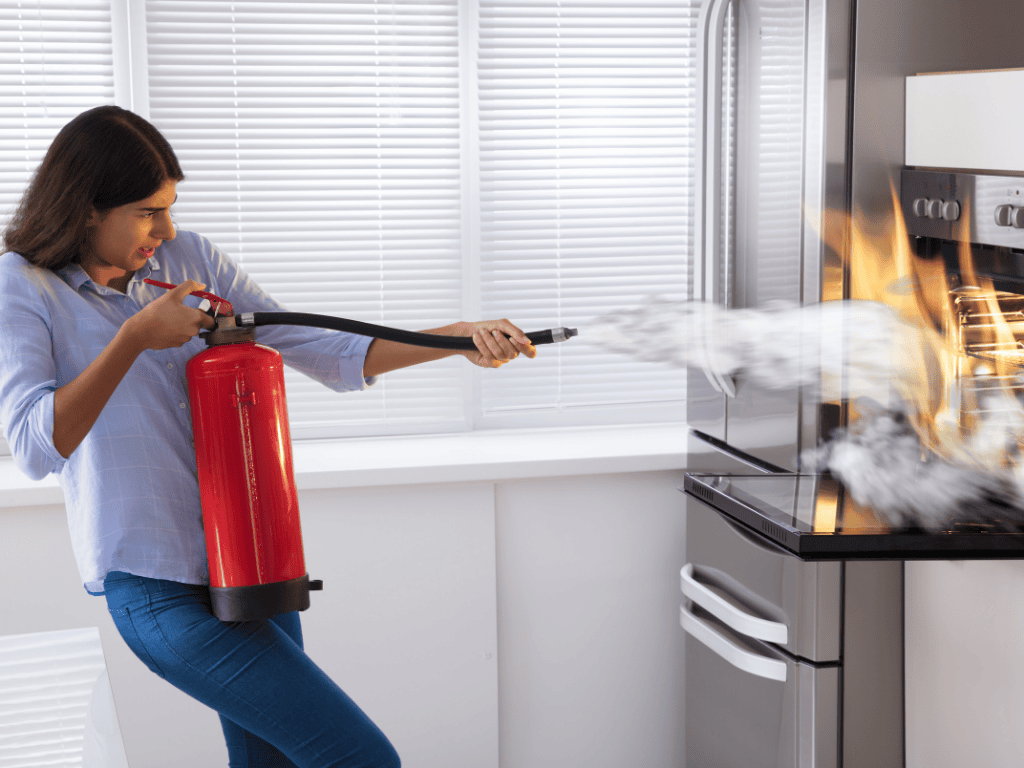
Fire Safety Starts with Prevention: How to Protect Your Home, Business, and the People Who Matter Most
Last Updated: October 12, 2026
Homeowners and businesses can reduce the risk of fire-related property damage, injuries, and insurance claims by maintaining smoke alarms, inspecting electrical systems, safely using heating equipment, and reviewing insurance coverage regularly. Fires can spread quickly, but proactive prevention measures can help protect people, property, and financial security.
What Are the Most Important Fire Safety Tips for Homeowners?
Regular maintenance and preparedness can help homeowners reduce fire risks.
Homeowners should:
-
Test smoke alarms monthly
-
Never leave cooking unattended
-
Inspect electrical cords and outlets regularly
-
Maintain fireplaces and heating equipment
-
Create a family emergency escape plan
These simple precautions can help identify hazards before they result in a fire.
Why Is Smoke Alarm Maintenance Important?
Working smoke alarms provide an early warning that can save lives and reduce property damage.
According to the National Fire Protection Association (NFPA), smoke alarms were present in nearly three-quarters of reported home fires, but the risk of death was significantly higher in homes where smoke alarms were missing or not working.
Smoke alarms should be installed on every level of the home and outside sleeping areas. Test alarms monthly and replace batteries according to manufacturer recommendations. Regular maintenance helps ensure your alarms are ready to alert your family when every second counts.
How Can Homeowners Reduce Kitchen Fire Risks?
Never leaving cooking unattended is one of the most effective ways to prevent residential fires.
Cooking-related incidents remain a leading cause of home fires. Keep flammable items away from heat sources and remain in the kitchen whenever using the stove or oven.
How Can Businesses Reduce Fire Risks?
Employee training and routine inspections can significantly reduce workplace fire hazards.
Businesses should:
-
Maintain fire extinguishers
-
Conduct regular fire drills
-
Keep emergency exits clear
-
Store flammable materials safely
-
Inspect electrical equipment routinely
Prepared employees can respond more effectively during emergencies.
Why Should Businesses Keep Emergency Exits Clear?
Clear, accessible exits help employees and customers evacuate safely during an emergency.
Exit routes should remain unobstructed and clearly marked at all times. Regular inspections can help ensure compliance and improve safety.
How Often Should Homeowners and Businesses Review Insurance Coverage?
Insurance coverage should be reviewed annually and whenever major changes occur.
Home renovations, business expansions, new equipment purchases, and increased property values can affect insurance needs. Regular reviews help ensure coverage remains aligned with current risks.
Why Is Insurance Important Even with Fire Prevention Measures?
Insurance provides financial protection when unexpected losses occur.
While fire prevention helps reduce risk, accidents can still happen. Adequate coverage can help protect homes, buildings, equipment, inventory, and personal belongings from fire-related losses.
Ready to Review Your Coverage?
If you have questions about your current insurance coverage, the team at Biltmore Insurance Services, LLC can help review your policies and identify potential gaps in protection.
Frequently Asked Questions
What is one of the leading causes of home fires?
Cooking-related incidents are among the most common causes of residential fires.
How often should smoke alarms be tested?
Smoke alarms should be tested monthly and maintained according to manufacturer recommendations.
How often should businesses conduct fire drills?
Businesses should conduct fire drills regularly and review emergency procedures with employees.
Why should insurance coverage be reviewed annually?
Annual reviews help ensure coverage reflects current property values, assets, and operational risks.
Does insurance cover fire damage?
Many homeowner and commercial property policies provide coverage for fire-related losses, subject to policy terms, limits, and exclusions.