
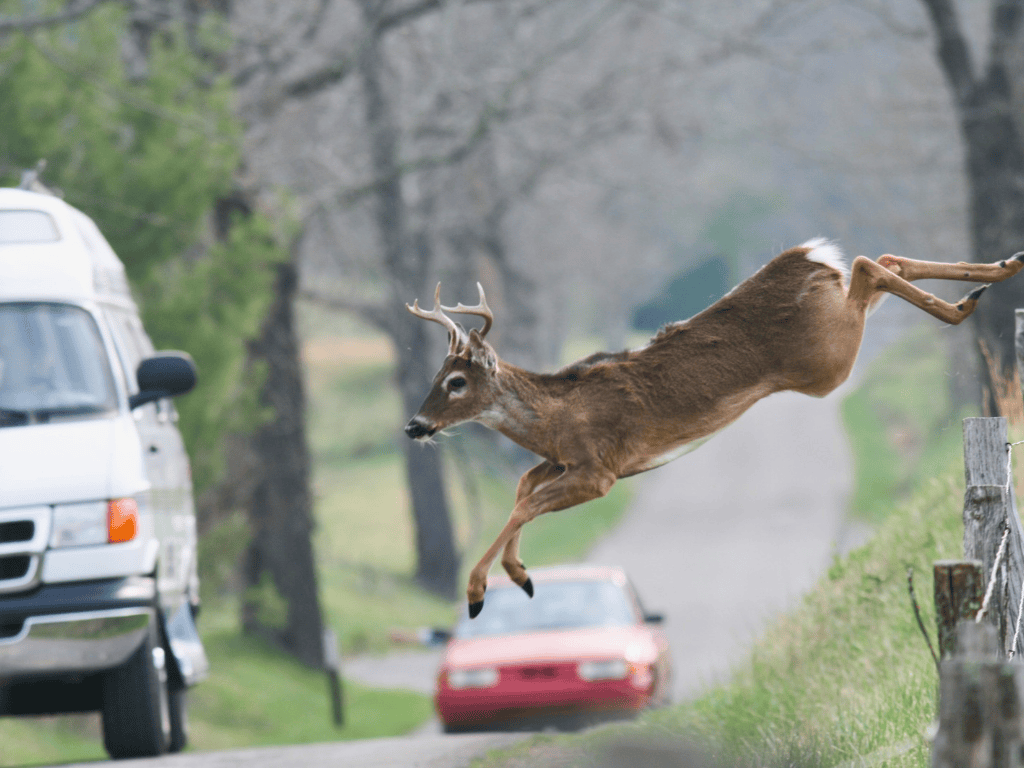
Does Auto Insurance Cover Hitting a Deer?
Last updated: October 26, 2026
If you hit a deer, damage to your vehicle is generally covered by comprehensive auto insurance, not collision coverage. Comprehensive coverage is designed to help cover vehicle damage from events such as contact with animals, theft, vandalism, certain weather events, and falling objects. Your deductible and the terms of your individual policy will determine how much your insurance pays.
Does Auto Insurance Cover Hitting a Deer?
Yes, if your policy includes comprehensive coverage, damage caused by hitting a deer is generally covered. Comprehensive coverage applies to contact with animals and other covered losses that are not typically considered collisions with another vehicle or object.
Comprehensive coverage is separate from the liability coverage you carry to protect against injuries or property damage you cause to others. If you carry liability coverage only, damage to your own vehicle from hitting a deer generally would not be covered.
This is one reason it is important to understand the individual coverages on your auto policy rather than assuming you are protected against every type of accident.
Why Are Deer Collisions a Concern in the Fall?
Animal collisions are especially important to think about during the fall. According to the Insurance Information Institute, deer season generally runs from October through December, when increased deer movement contributes to more deer-vehicle collisions.
According to Insurance Information Institute, Facts + Statistics: Deer Vehicle Collisions, it is estimated that U.S. drivers filed approximately 1.7 million animal-collision insurance claims between July 2024 and June 2025, with deer being the most commonly struck animal.
Is Hitting a Deer Comprehensive or Collision Coverage?
Hitting a deer is generally considered a comprehensive claim. The Insurance Information Institute lists contact with animals among the types of vehicle damage covered by comprehensive insurance.
Comprehensive Coverage: Generally applies when your vehicle directly strikes a deer or another animal.
Collision Coverage: Typically applies to damage to your vehicle when you collide with another vehicle or an object.
There is an important distinction. If you swerve to avoid a deer and hit a guardrail, tree, another vehicle, or other object, damage to your vehicle may fall under collision coverage rather than comprehensive because your vehicle did not actually strike the animal.
That seemingly small difference can affect which coverage and deductible apply to a claim.
Do You Have to Pay a Deductible After Hitting a Deer?
If a deer collision is covered under your comprehensive insurance, your comprehensive deductible generally applies. Your insurer pays covered repair costs according to the policy terms after accounting for the deductible.
For example, if covered damage is $2,500 and your comprehensive deductible is $250, the remaining covered amount would be $2,250. Your actual claim payment will depend on your insurer, policy terms, deductible, vehicle value, and the circumstances of the loss.
Reviewing your deductible before an accident happens can help you understand how much you may need to pay out of pocket.
What Should You Do After Hitting a Deer?
Safety should come first. If you hit a deer:
1. Move to safety: If possible, get your vehicle safely off the roadway.
2. Contact police: Report the accident to local law enforcement.
3. Avoid approaching the animal: An injured deer may be frightened and could cause additional injuries.
4. Contact your insurance provider: Report the incident and discuss whether your policy provides coverage for the damage.
If you are unsure whether your policy includes comprehensive insurance, your agent can help you review your current coverage.
Should You Swerve to Avoid a Deer?
Swerving can create an additional accident risk, so drivers are generally advised to brake firmly and stay in their lane when a deer appears.
The Insurance Information Institute notes that serious crashes can occur when drivers swerve to avoid a deer and instead hit another vehicle or lose control.
Drivers should also be particularly attentive from sunset to midnight and during the hours shortly before and after sunrise, which the Insurance Information Institute identifies as peak times for deer-vehicle collisions. If you see one deer, remember that others may be nearby.
Can Hitting a Deer Increase Your Auto Insurance Rate?
Whether a deer-related claim affects your premium depends on your insurer, the state where you live, your policy, and your individual circumstances.
Because rating practices vary, it is better to ask your insurance agent how a particular claim could affect your policy rather than assuming a comprehensive claim will or will not change your premium.
Should You Review Your Comprehensive Coverage This Fall?
Fall is a good time to check whether your auto policy includes comprehensive coverage and understand your deductible.
Comprehensive coverage can protect your vehicle against more than animal strikes. Depending on your policy, it may provide protection for covered losses involving:
• Theft
• Fire
• Certain weather-related losses
• Falling objects
• Glass damage
• Contact with animals
Comprehensive coverage is not the same as liability or collision insurance, and simply having an auto insurance policy does not necessarily mean every type of vehicle damage is covered.
Taking a few minutes to review your policy before an accident happens can help you understand what protection you actually have.
How Can Biltmore Insurance Services, LLC Help?
Biltmore Insurance Services, LLC can help you review your current auto policy, understand your comprehensive and collision coverage, and identify potential gaps before you need to file a claim.
Contact Biltmore Insurance Services, LLC today to review your auto insurance coverage and make sure you’re prepared for the unexpected.
Website: biltmoreins.com
Frequently Asked Questions
Does liability insurance cover hitting a deer?
Liability-only insurance generally does not cover damage to your own vehicle from hitting a deer. Comprehensive coverage is generally the coverage that applies to vehicle damage caused by directly striking an animal.
Is hitting a deer considered comprehensive or collision?
A direct collision with a deer is generally covered by comprehensive insurance. If you swerve to avoid the animal and instead collide with another vehicle or object, damage to your vehicle may fall under collision coverage.
Does comprehensive insurance cover other animals?
Yes. Comprehensive coverage can apply to contact with animals, not only deer. Coverage is subject to the terms, conditions, deductibles, and exclusions of the individual policy.
What should I do if I see a deer in the road?
Brake firmly, remain in your lane, and use caution because additional deer may be nearby. Avoid swerving, which can increase the risk of losing control or colliding with another vehicle or object.
Do I automatically have comprehensive coverage?
No. Comprehensive is not automatically included with every auto insurance policy. If you are unsure whether you have it, review your declarations page or ask your insurance agent.
Sources
• Insurance Information Institute, Avoid a Deer-Car Collision
• Insurance Information Institute, What Is Covered by Collision and Comprehensive Auto Insurance?
• Insurance Information Institute, Facts + Statistics: Deer